A Narrow Window for New Life
One of the most persistent myths is that wolves are prolific breeders, rapidly increasing their numbers and overwhelming landscapes. This perception—often used to justify excessive hunting—shapes public opinion and policy, but is not grounded in reality. A female wolf has only one brief window each year to reproduce. Most packs raise only one litter annually, and many pups do not survive their first year.
New Life Emerges in Spring
Unlike domestic dogs, who can breed multiple times a year, wolves breed just once annually, typically in late winter around mid-to-late February. Females go into estrus, commonly known as heat, for a brief window of about seven to nine days each year. After a gestation period, or pregnancy, of approximately 63 days, pups are born in the spring, often in April or May, as the snow begins to melt.
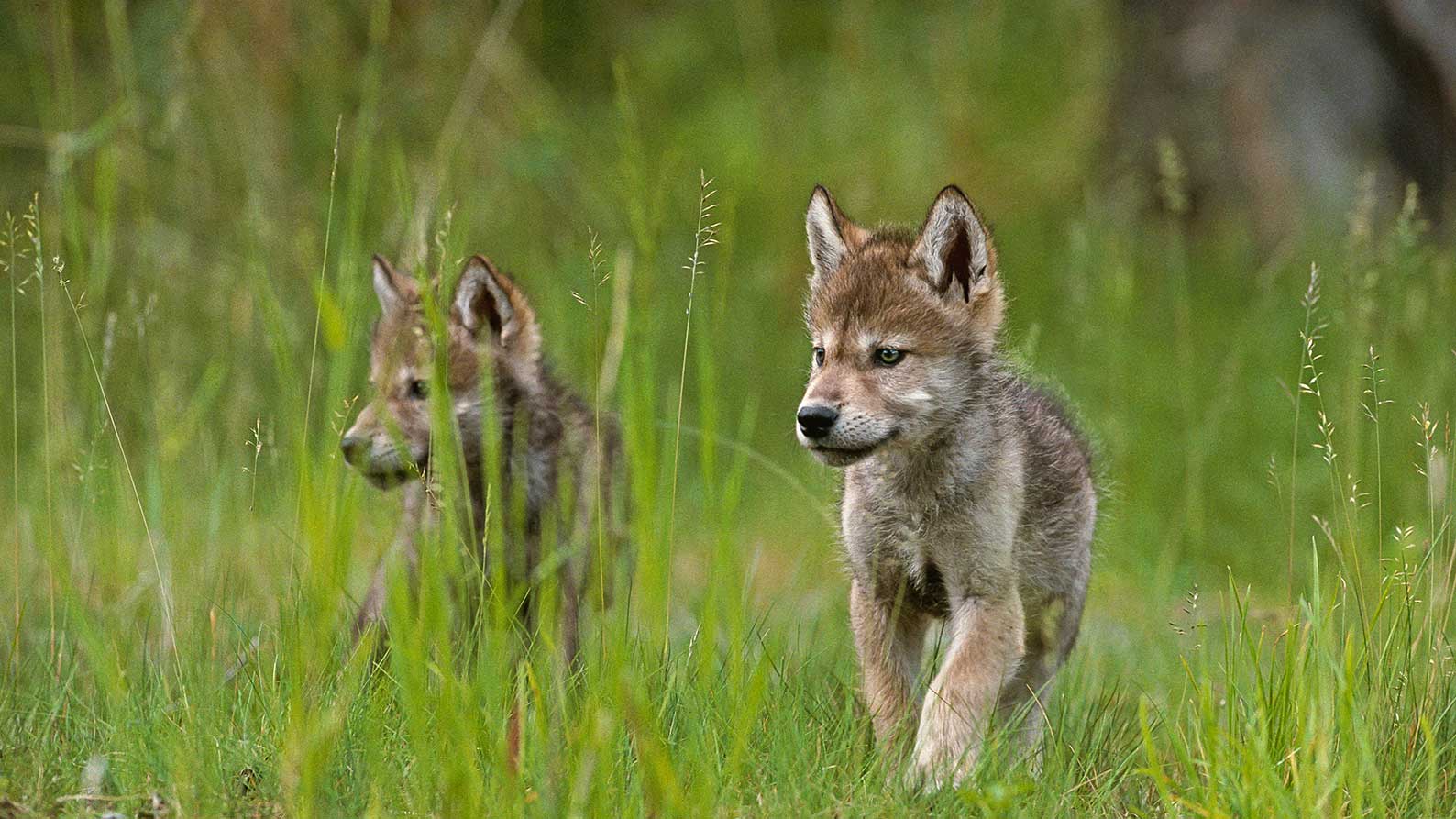
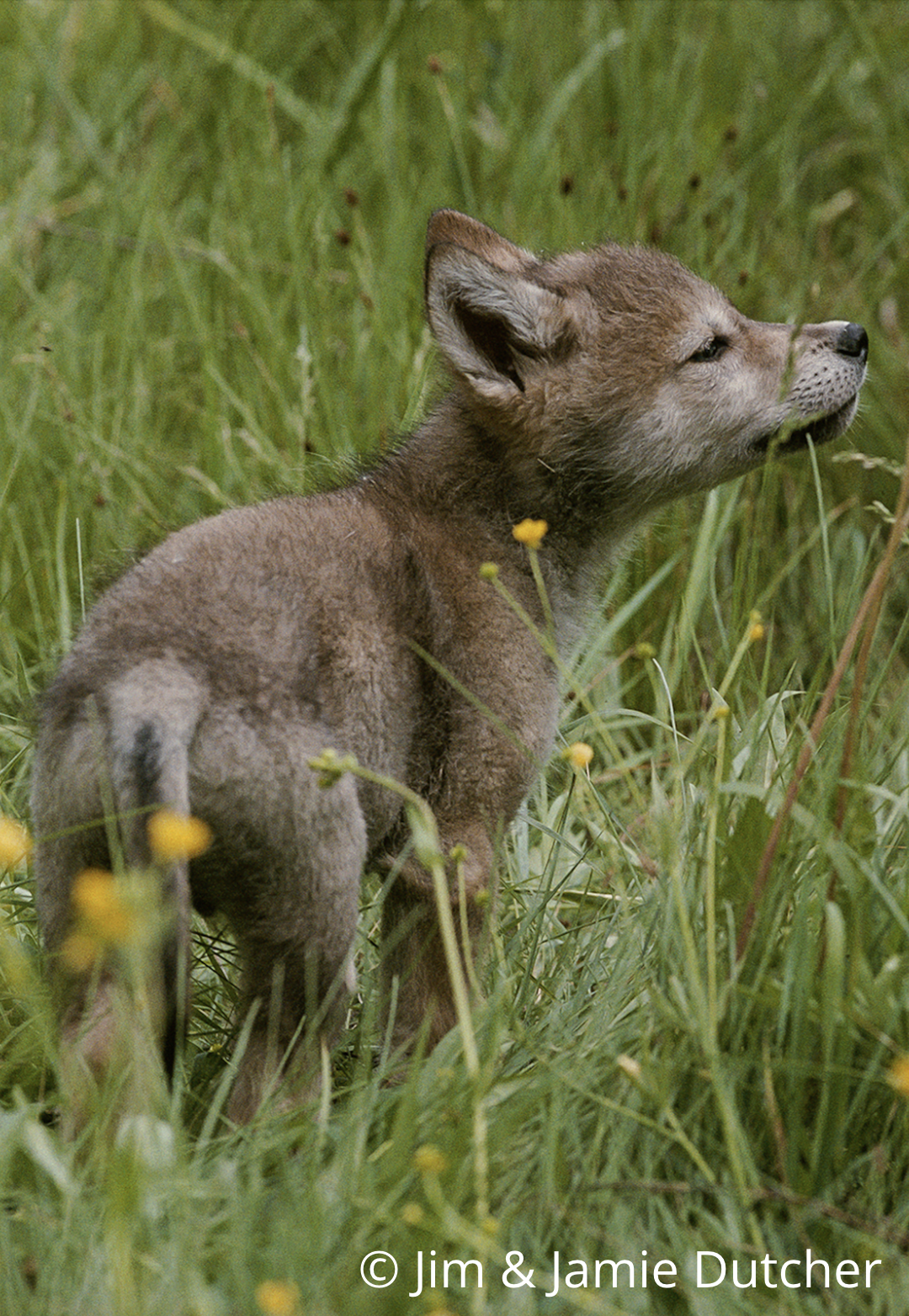
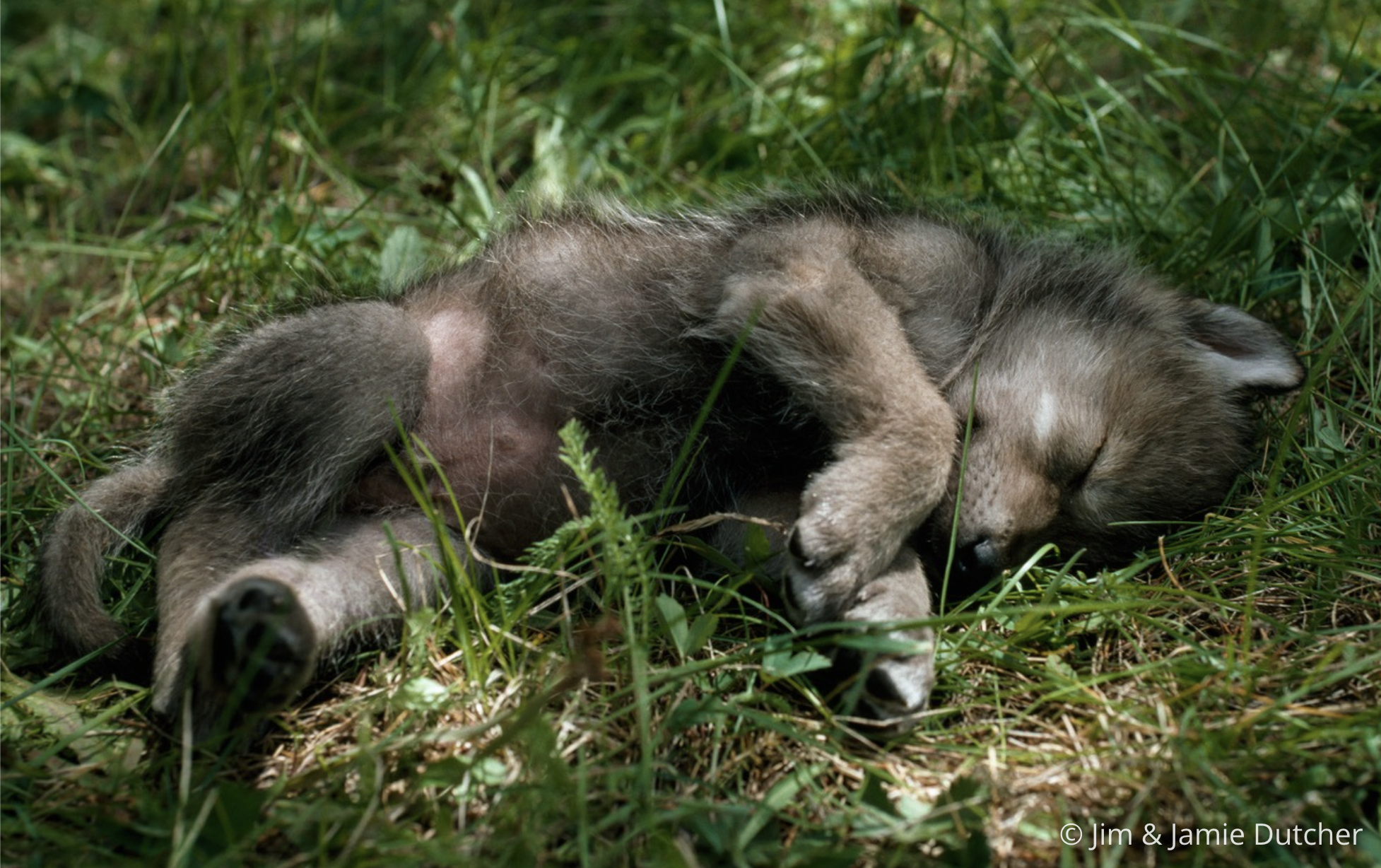
Wolf litters can range from one to eleven pups, though the average is typically four to six. At birth, pups are incredibly vulnerable. Weighing roughly one pound and entirely dependent on their mother. Their eyes open at around two weeks, and their hearing develops by about three weeks old. For their first six weeks, they remain in or near the den, nursing and growing.
Arriving in spring allows pups the maximum amount of time to grow, develop, and learn before their first winter. Even so, survival is not guaranteed. Between 40-60% of wolf pups do not survive their first year, falling victim to starvation (often the biggest factor), disease, harsh weather, predation, and other natural challenges. Offspring survival is lower among younger, less-experienced breeders than among older, more experienced breeders. A multi-year study from 2019-2025 in the Greater Voyagers Ecosystem in Minnesota, found average pup survival of just 29%, meaning about 71% died before their first year.
Human-caused mortality also plays a role. In some cases, pups are killed in dens, and in states like Idaho and Montana, a hunter may get compensated for it.
Who Gets to Breed in a Pack?
Wolves typically begin breeding between two and three years of age and may form long-term mates. In most cases, only one pair within a pack, the alpha or breeding pair, produces a litter each year.
During the breeding season, aggression within a pack can increase, reinforcing the breeding status of the dominant pair and limiting reproduction by other members. This social structure plays an important role in regulating reproduction within a pack and limiting overall population growth. Wolves also naturally avoid inbreeding, which is why dispersing wolves, those that leave their natal pack to find a mate, are essential for maintaining genetic diversity across the broader population.
Occasionally, additional females or pairs within a pack may reproduce, but this is relatively uncommon. Research suggests that this “plural breeding” may be more likely when prey is abundant, allowing packs to grow larger and support more pups. This pattern has been observed in ecosystems such as Denali National Park, where about 19% of packs have multiple litters, and Yellowstone National Park, where the figure is around 25%.
Across North America, however, plural breeding is estimated to occur in fewer than 15% of wolf packs. In Idaho, it has been documented only about 3% of the time, and in many regions it is rarely or never observed. This rarity reflects that raising a litter of pups is not a simple task, it requires substantial energy and cooperation from the entire pack to ensure the pup’s survival.
Watch below as a young female attempts to sneak off from her pack to meet a potential mate, only to be caught by her father, the alpha male, and the rest of the pack!

When Wolves Don't Breed
In some years, a pack may not reproduce at all. When prey is scarce, territory availability limited, or environmental conditions are poor, wolves may forgo breeding entirely. Human-caused wolf deaths can also significantly affect reproduction.
Research from Yellowstone National Park found that the loss of any pack member to human causes reduced the likelihood of reproduction the following year by 22%. When a pack leader or breeding individual was killed by humans, the pack’s likelihood of reproducing the following year dropped by 49%, and the likelihood of the pack dissolving by the end of the biological year increased by 73%.
These patterns reflect a high level of social and ecological responsiveness. Wolves adjust their reproduction based on available resources, social stability, and their ability to successfully raise a litter.
Raising Pups Takes a Family
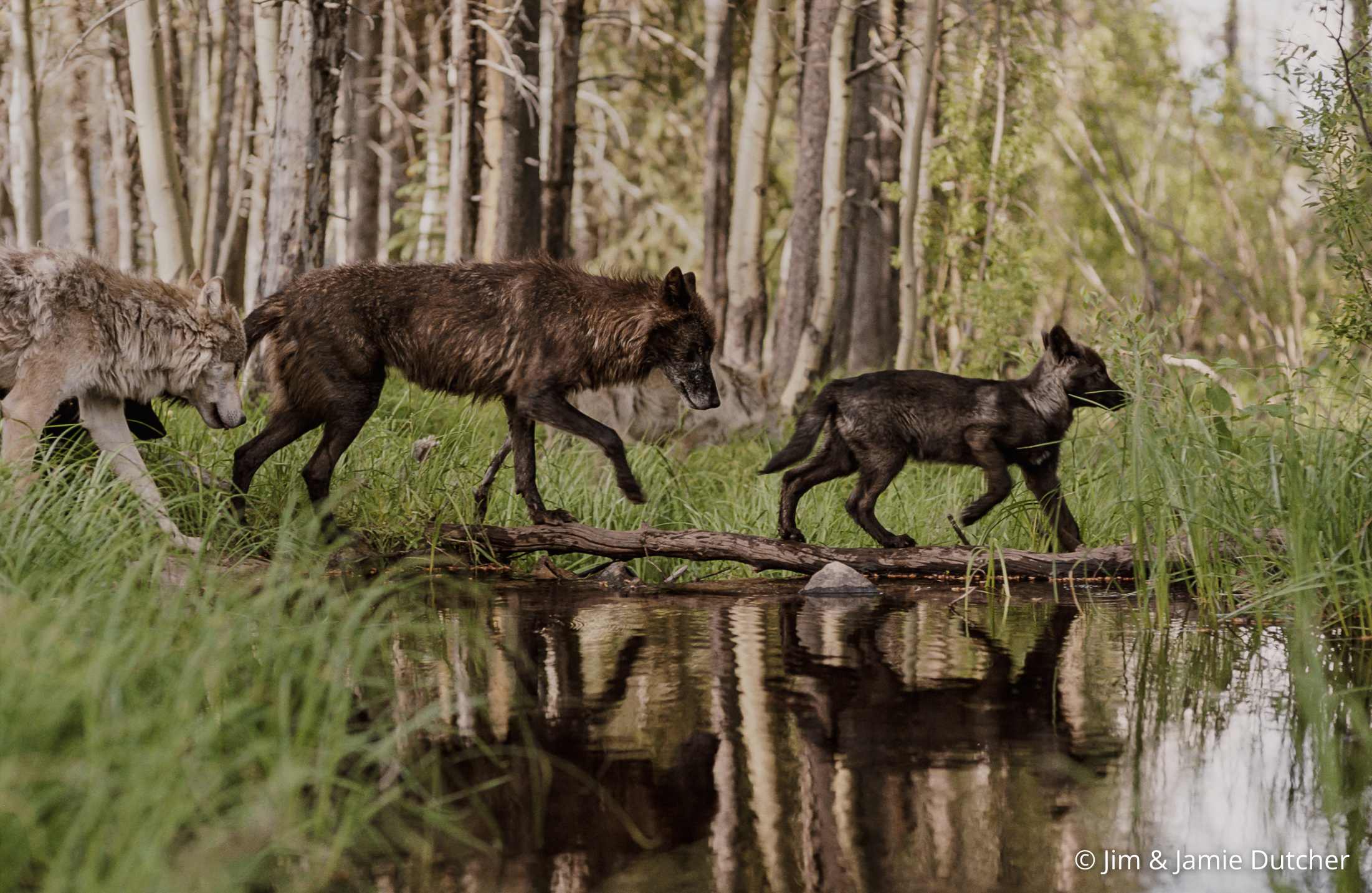
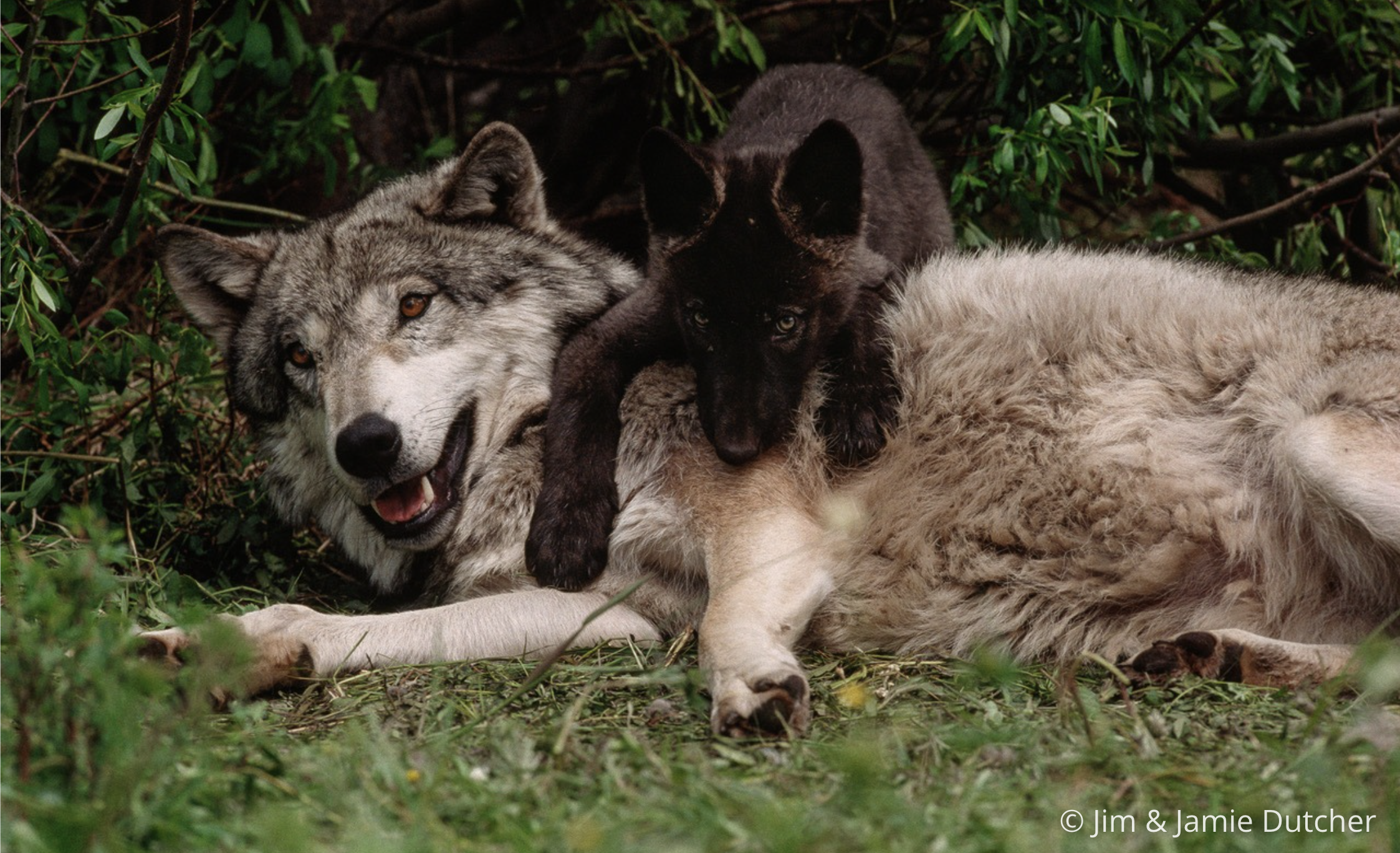
While the mother provides constant care early on, raising pups is a shared responsibility. Each pack member contributes in different ways—some act as guardians, others as caregivers or playmates, while others focus on hunting.
When adults return from hunting, pups greet them by whining and licking their muzzles, triggering the adults to regurgitate food. This allows the pack to feed pups even when food is consumed far away from the den.
As the pups grow, they are eventually moved from the den to “rendezvous sites”—above-ground areas with access to water, shade, and safety. By seven to eight months of age, they begin traveling with the pack, learning the skills they will need to survive. By winter, surviving pups may reach up to 80% of their adult size, though they are still learning and remain dependent on the pack.
Research from Yellowstone National Park has shown that raising pups helps strengthen social bonds and maintain pack cohesion. In this way, reproduction is not just about adding numbers, it is about sustaining the family unit.
Learn how each member of the Sawtooth Pack helped raise their first litter of pups.
Looking Beyond the Myths
When we look at the full picture, it becomes clear that wolf reproduction is shaped, and limited, by a combination of biology, social structure, and environmental conditions. These are not the traits of a species that reproduces unchecked. They are the traits of a species finely tuned to its environment.
Understanding how wolves actually reproduce helps ground the conversation in science rather than assumption. Each litter represents a significant investment of time, energy, and cooperation, with no guarantee of survival.
Wolves are not simply multiplying, they are raising families in a challenging and ever-changing landscape.