Celebrating 20 Years.
This year, Living with Wolves marks its 20th anniversary—a milestone made possible by those of you who have been with us since the beginning, and many of you who have joined us along the way.
At the heart of our work has always been the Sawtooth Pack. As ambassadors for their kind, they opened a window into the lives of wolves, helping people better understand their behavior, their bonds, and their place in the natural world. With your continued support, we are constantly building on that foundation, carrying this work forward through programs and partnerships that make our mission possible.
Advancing Research
We are proud to support research programs that deepen our understanding of wolves and the ecosystems they help sustain. These partnerships are helping advance longterm studies that reveal new insights into wolf behavior, ecology, and family structure.
In the Great Bear Rainforest of British Columbia, researchers are using non-invasive tools to identify and study coastal wolves living free from human persecution, offering a rare opportunity to observe stable family structures and behavior. In Yellowstone National Park, a groundbreaking study is revealing new insights into the hidden world of wolf communication, where advanced acoustic monitoring technology is helping scientists understand wolf behavior, movement, and social dynamics like never before.
These projects demonstrate how emerging technologies can expand scientific understanding while minimizing disturbance, reflecting a shift toward more ethical, non-invasive research. This important work not only deepens our scientific understanding of wolves, but also offers a vision for wildlife management and coexistence that could shape conservation policy worldwide.
 Non-Lethal Strategies
At Living with Wolves, we believe the most effective way to protect wolves is to prevent conflict before it begins. Through our non-lethal strategies program, we support professional range riders who work alongside ranchers to monitor livestock and deter predators using proven, proactive techniques. Although livestock depredations are low, trained riders are helping fill critical gaps, reducing the risk of conflict and the lethal consequences for predators that often follow.
As demand for these solutions grows, advancing practical strategies allows wolves and rural communities to coexist.
Policy & Advocacy
We work to ensure that wolves are thoughtfully represented in the decisions that shape their future. By engaging with state agencies, legislators, and regional partners, we bring a science-based and coexistence-focused perspective into spaces where it is often missing. This work focuses on building trusted relationships, contributing informed input, and elevating the voices of citizens who value the ecological and cultural importance of wolves. We also expand public engagement by equipping individuals with the tools to participate meaningfully in policy decisions. This work sustains a strong presence at the state and regional levels and advances policies that support coexistence, uphold scientific integrity, and ensure lasting protections for wolves.
Museum & Education
The Living with Wolves Museum and Education programs bring the story of wolves to life for audiences of all ages. Located in Ketchum, Idaho, our museum features immersive exhibits, photography, documentary film and audio recordings from the Sawtooth Pack, offering a rare window into the lives of wolves. Beyond the museum, our education programs extend into classrooms and communities through free curriculum resources, live presentations, and outreach designed to dispel myths and inspire curiosity. Together, these efforts are helping to replace fear with understanding, reaching thousands each year and building a foundation for a more informed and compassionate future for wolves.
As we reflect on 20 years of Living with Wolves, we are reminded that this work began with a single family of wolves whose story changed hearts and minds around the world. Today, that legacy continues through every program and partnership we support. You have been an essential part of this journey. Thank you for helping carry this work forward and ensuring that the story of wolves continues to grow for generations to come.
With our sincere gratitude,

Wolf Pack Social Behavior
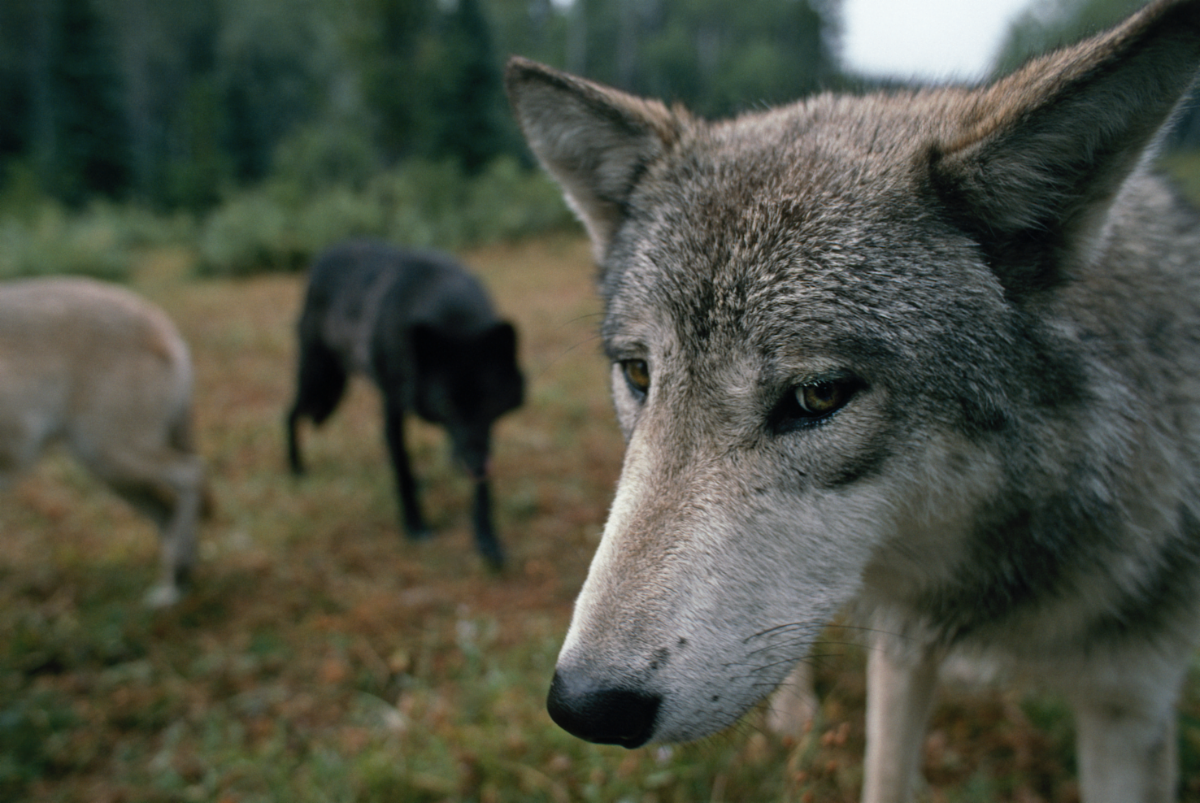
Do Wolves Mourn?
After a mountain lion killed a member of the Sawtooth Pack, we witnessed something we never expected—the pack grieved. They seemed visibly affected by her loss, and their behavior clearly changed. They stopped playing and no longer howled together as a family. For nearly six weeks, they moved solemnly throughout their territory, their usual spark and energy gone. Motaki, the most mischievous member of the pack, always instigated play. Without her, they appeared to have lost the spirit.
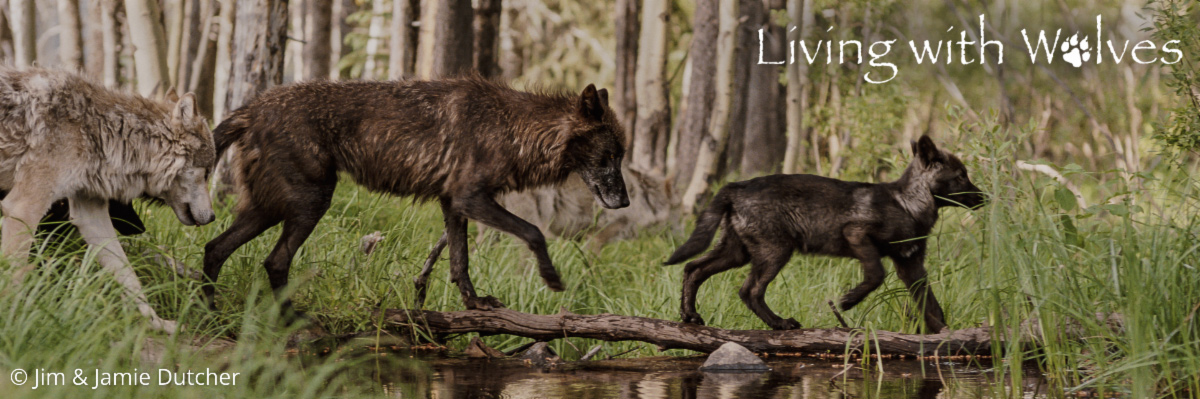
Our Mission: Living with Wolves is a non-profit organization dedicated to engaging the public worldwide in education, outreach and research to promote truth and understanding about wolves, while encouraging coexistence and inspiring people to take action to protect them.