
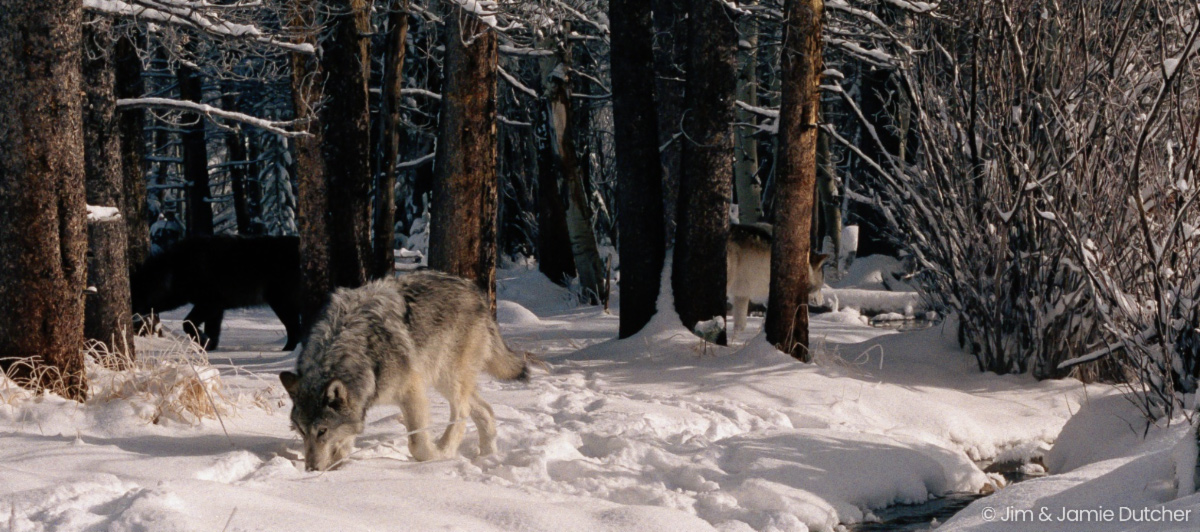
MEXICAN GRAY WOLVES UNDER ATTACK
There are fewer than 300 Mexican gray wolves in the wild across Arizona and New Mexico. Although Mexican gray wolves remain protected under the Endangered Species Act, Arizona lawmakers have introduced a series of bills that would withdraw state support for the Mexican Wolf Recovery Plan, authorize permits for landowners to kill wolves, and create a Mexican Wolf Management Plan Development Committee heavily weighted toward sportsmen and cattlemen interests.
These proposals disregard the recovery framework developed by the U.S. Fish and Wildlife Service and undermine one of the most successful captive-breeding and reintroduction efforts in the country. Weakening state participation at this critical stage could harm the population’s genetic diversity and jeopardize the long-term survival of this endangered subspecies.
ARIZONA RESIDENTS TAKE ACTION!
Click here to contact your legislators and urge them to oppose the following bills:
HB 2159 – Requires the Arizona Game and Fish Department to issue permits to landowners to kill wolves to reduce conflicts with property and humans, and allows for potential sport hunting opportunities. (passed House)
HB 2160 – Establishes a Mexican Wolf Management Plan Development Committee composed of three sportsmen, three cattlemen, and three wildlife conservationists. (introduced)
HB 2787 – Prohibits state agencies and employees from using any resources to enforce, administer, or cooperate with the Mexican Wolf Reintroduction Program. (passed House)
SB 1280 – Prohibits the Arizona Game and Fish Commission from transporting Mexican gray wolf pups into the state or using resources to support cross-fostering efforts. (passed Senate)
HCM 2011 – Urges the United States Congress to delist the Mexican gray wolf under the Endangered Species Act. The measure does not change federal protections itself but represents Arizona’s formal request for congressional action. (introduced)
Click here to urge your House Representative to vote NO on HR 4255
The Enhancing Safety for Animals Act of 2025 (H.R. 4255) would override U.S. Fish and Wildlife Service’s downlisting recovery criteria and delist the Mexican gray wolf.
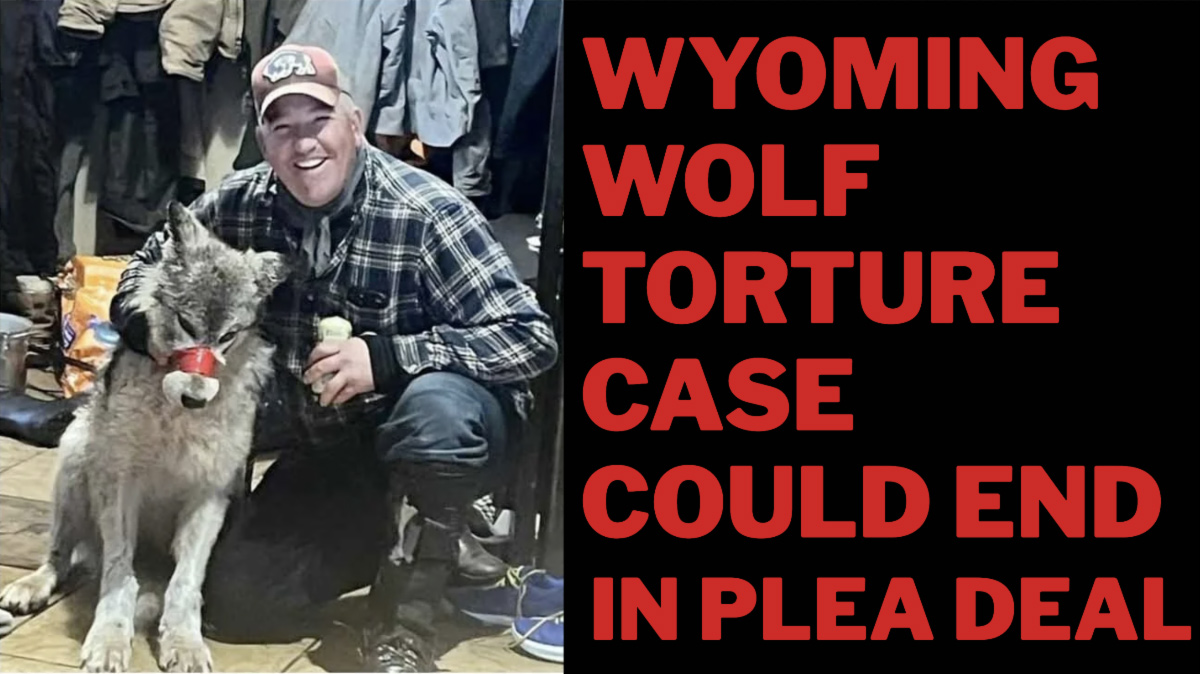
Last year, the brutal killing of a young wolf in Wyoming drew widespread outrage and renewed attention to how animal cruelty laws apply to wildlife. After running down the wolf with a snowmobile, the perpetrator brought the injured animal into a local bar with its mouth taped shut before later killing it. The incident led prosecutors to pursue felony animal cruelty charges through a grand jury.
In August 2025, a grand jury indicted Cody Roberts on a felony animal cruelty charge. If convicted at trial, he faced up to two years in prison and a fine of up to $5,000. Roberts pleaded not guilty, and a five-day trial was scheduled to begin March 9, 2026.
This trial may now be avoided.
In February 2026, Sublette County prosecutors reached a plea agreement that would allow Roberts to avoid prison time. Under the proposed deal, he would plead guilty or no contest to felony animal cruelty. His sentence of 18 months to 2 years in prison would be suspended in favor of 18 months of supervised probation and a $1,000 fine. Probation conditions include prohibitions on hunting and fishing, restrictions on alcohol use, and a ban on entering bars or liquor stores during the probation period.
A change of plea hearing is scheduled for Thursday, March 5 at 9:00 AM (MT) where the judge will decide whether to accept or reject the agreement. If approved, Roberts will avoid trial and serve probation under the outlined terms. If rejected, the case could proceed to trial or return to further negotiations. The March 5 hearing will be publicly accessible via audio livestream through the Wyoming Judicial Branch website. (select: District Court Livestreams → Sublette County District Courtroom)
The case has intensified scrutiny of Wyoming’s predator laws and prompted legislative efforts aimed at strengthening protections. Roberts’ initial act of running down the wolf with a snowmobile remains legal under Wyoming law, and if the agreement is approved, he could legally resume snowmobiling once probation ends.
For an act involving such severe cruelty, many believe the outcome would fall short. When the consequence amounts to temporary restrictions and a relatively small fine, it raises serious questions about how wildlife crimes are prosecuted.
TAKE ACTION! The court may still consider public concern. Respectfully write to the court asking Judge Richard Lavery to deny Roberts’ plea agreement.

Dr. Jeff Reed speaking at the Argyros with a wolf howl displayed behind him as a visual map of sound.
Last week, we welcomed Dr. Jeff Reed of The Cry Wolf Project to The Argyros Performing Arts Center for an evening focused on wolf communication and the future of conservation research. The auditorium was sold out, with over one hundred more joining the livestream, reflecting something simple but meaningful: people want to better understand wolves.
Dr. Reed took us inside the science in a way that was both accessible and entertaining. Using detailed graphics and acoustic visualizations, he showed how wolf vocalizations can be translated into patterns we can analyze and begin to interpret.
Just as important, the project highlights how advancing technology can help us learn more about wolves while minimizing disturbance to their lives in the wild — an approach we believe is essential as conservation science continues to evolve.
The discussion that followed was thoughtful and engaged. It was clear that The Cry Wolf Project is expanding science and encouraging a broader conversation about how we can responsibly study and coexist with wolves. We are grateful to everyone who joined us in person and online. Your participation made the evening especially meaningful.
Living with Wolves is proud to support The Cry Wolf Project.
From the Dutcher Archives
Celebrating the Legacy of the Sawtooth Pack
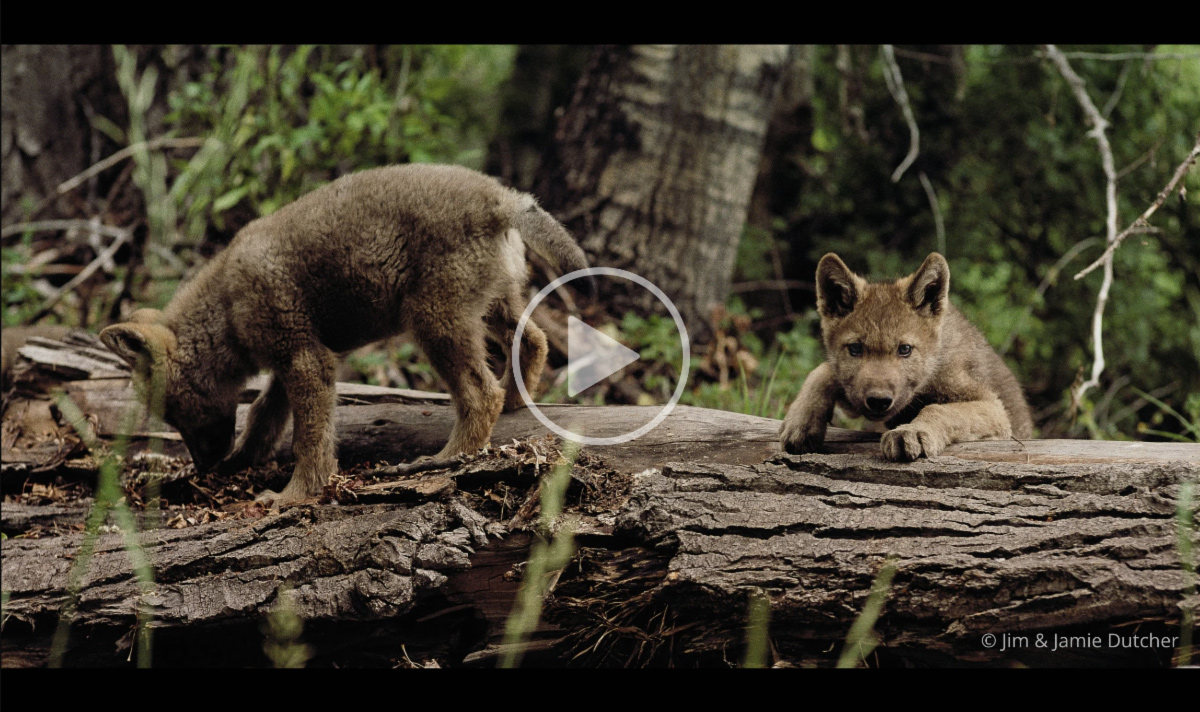
Wolf Pups
From their earliest weeks, wolf pups begin learning the skills that will shape their lives within the pack, developing strength, social bonds, and a deep reliance on one another. Survival depends not only on physical ability, but on communication, cooperation, and loyalty. For many Indigenous cultures, these same qualities have long inspired respect for the wolf, seen as both a strong individual and a devoted member of the community. Together, these traits remind us that every wolf plays an important role in the life and resilience of the pack.

Our Mission: Living with Wolves is a non-profit organization dedicated to engaging the public worldwide in education, outreach and research to promote truth and understanding about wolves, while encouraging coexistence and inspiring people to take action to protect them.