Questions Surround the Killing of Nine Federally-protected Wisconsin Wolves
A developing story out of northern Wisconsin is raising serious questions about the killing of an entire family of wolves and how the decision was made.
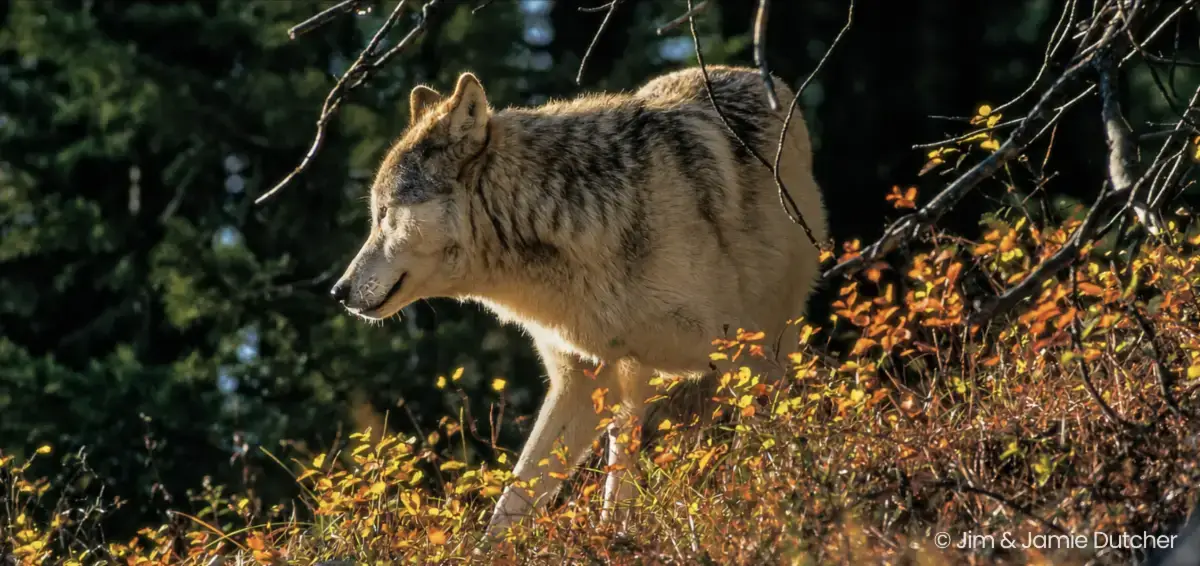
In late August and early September, USDA Wildlife Services killed a pack of nine wolves in Price County—four pups, three yearlings and two adults—at the direction of the Wisconsin Department of Natural Resources (DNR). The DNR said the wolves had become increasingly habituated to people and were not responding sufficiently to nonlethal measures.
What has been made public so far, however, does not describe an attack on a person or an immediate threat to human life. The incidents were classified under Wisconsin’s three-tier system for wolf-related human health and safety conflicts:
Level 1: an actual attack or immediate threat to human life.
Level 2: a demonstrable but non-immediate threat, including aggressive habituation or concerning proximity to people.
Level 3: normal, non-threatening and non-habituated behavior occurring repeatedly near homes or human activity.
In this case, the incidents cited were Level 2 and Level 3, involving reports of wolves simply being observed near homes and people in the remote, heavily forested region of northern Wisconsin. One report described a wolf captured on a security camera near a residence. These circumstances raise questions about the threshold being used to justify lethal removal, particularly when an entire pack was killed without a reported Level 1 incident.
Just as concerning is the lack of transparency surrounding the decision. The killings were not announced by the DNR and only came to public attention after Milwaukee Journal Sentinel reporter Paul A. Smith broke the story on October 2.
The Great Lakes Indian Fish & Wildlife Commission (GLIFWC) objected to the decision, citing a lack of Tribal consultation over the killing of wolves within the 1842 Ceded Territory, where Tribes retain court-affirmed rights to natural resources. The criticism prompted an apology from the head of the Wisconsin DNR.
Given that these wolves were successfully trapped, GLIFWC is also questioning why relocation was not more seriously pursued before lethal control. Federal regulations state that for an endangered species posing a “demonstrable but non-immediate threat,” lethal action may occur only if it has not been reasonably possible to eliminate the threat through live capture and release.
For the Ojibwe, wolves—known as Ma’iingan—are relatives with profound cultural and spiritual significance with whom they have coexisted since the very beginning. The wolves’ remains are in the process of being returned to the Tribes so they may be given a proper burial.
This is the first known lethal removal of wolves by Wisconsin officials since federal protections were restored in 2022. While habituated wolves can present legitimate management challenges, the circumstances surrounding this case warrant closer scrutiny.
In last month’s featured blog, The Complicated History of Wolves in Wisconsin, we explored the state’s long history of wolf persecution, recovery, and the critical role federal protections have played in their survival. This story raises even more urgent questions about what the future for Wisconsin wolves could look like if those protections are stripped away.
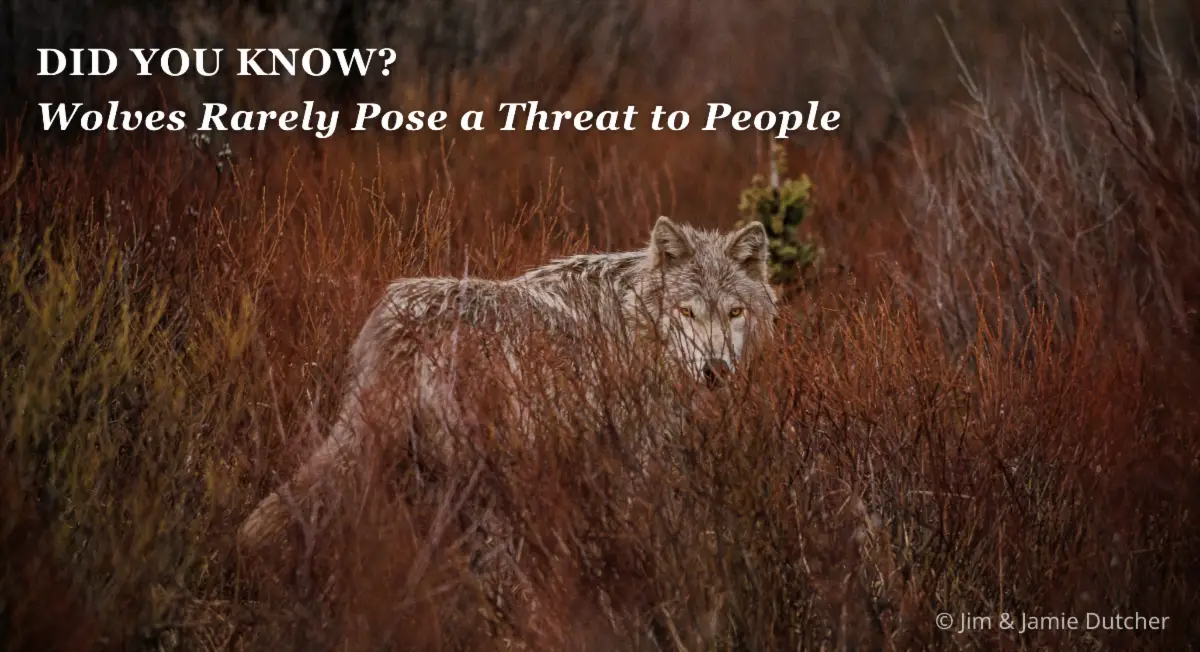
Each year on August 13th, people around the world recognize International Wolf Day—a day dedicated to celebrating wolves, raising awareness of their importance in the natural world, and challenging the misconceptions that have followed them for centuries.
Few animals have been as persistently misunderstood as the wolf. For generations, wolves have been portrayed as dangerous, destructive, and something to fear. Those perceptions have had real consequences, contributing to centuries of persecution and continuing to influence how wolves are treated today.
But when we look beyond the myths, a very different picture of the wolf emerges.
Wolves are intelligent, highly social animals whose lives revolve around family. They communicate, cooperate, care for one another, and form enduring bonds. As apex predators, they also play an important role in the ecosystems they inhabit.
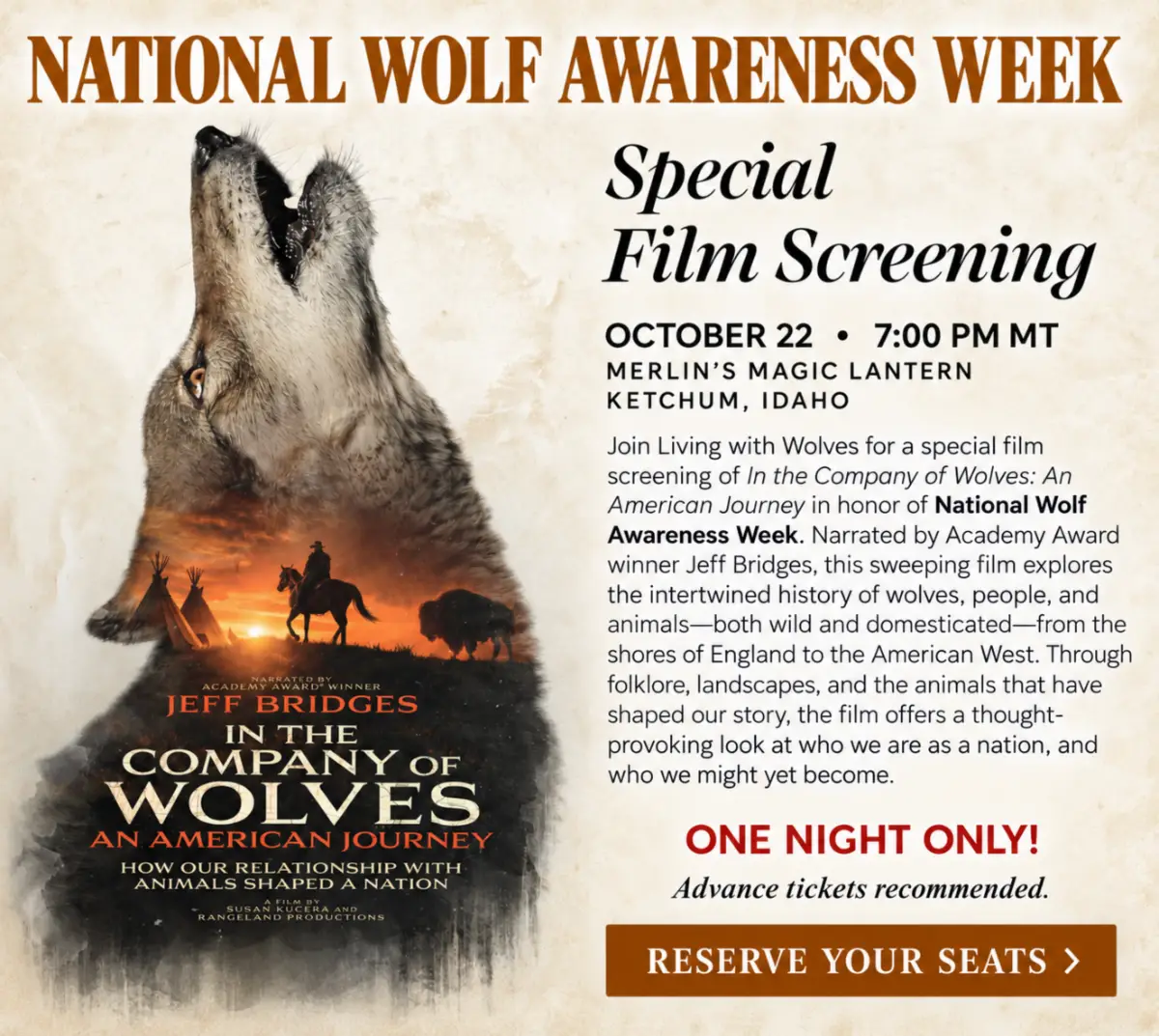
Watch the Movie Trailer Here:
— SAVE THE DATE —
Join Jim and Jamie Dutcher for a Signing of Their New Book
Join Jim and Jamie Dutcher for a special signing of their new book, the revised and expanded edition of Wolves at Our Door, along with the unveiling of a new photography exhibit at the Living with Wolves Museum.
Thursday, December 10
5 – 8 pm (MT)
Living with Wolves Museum
Our Mission: Living with Wolves is a non-profit organization dedicated to engaging the public worldwide in education, outreach and research to promote truth and understanding about wolves, while encouraging coexistence and inspiring people to take action to protect them.