

Changes to Endangered Species Act Threaten Longstanding Wildlife Protections
For more than fifty years, the Endangered Species Act (ESA) has been our nation’s strongest law for preventing wildlife extinction. At its core is a simple idea: protecting endangered animals also means protecting the habitat they need to survive.
That principle is now being weakened.
In July, the U.S. Fish and Wildlife Service and NOAA Fisheries finalized a rule removing the ESA’s long-standing regulatory definition of “harm.” Since 1975, that definition has recognized that destroying the habitat endangered species rely on to feed, breed, and raise their young can be just as harmful as directly killing them—a principle the U.S. Supreme Court affirmed in 1995. When the new rule takes effect on September 14, it will significantly weaken one of the ESA’s most important tools for protecting critical habitat.
The change is part of a broader rollback of Endangered Species Act protections. Additional policy changes taking effect this month reduce protections for newly listed threatened species and narrow how critical habitat is designated, potentially leaving important landscapes more vulnerable to mining, oil and gas, agriculture, and real estate development.
For wolves and countless other species, habitat is the foundation of recovery. Without connected forests, wetlands, grasslands, and other wild landscapes, wildlife cannot establish territories, raise young, or sustain healthy populations.
There is one encouraging development. On July 24, Representatives Brian Fitzpatrick (R-PA) and Mike Quigley (D-IL) introduced the bipartisan Safeguarding Endangered Species Act (H.R. 9901), which would restore the ESA’s longstanding definition of “harm.” While the bill faces an uncertain path in Congress, it demonstrates that protecting wildlife habitat continues to receive bipartisan support.
How can you help? One of the most effective ways to influence wildlife policy is to make your voice heard. Contact your members of Congress and urge them to support strong Endangered Species Act protections. Your voice can help protect the wild places wolves and other imperiled species depend on—because protecting endangered wildlife has always meant protecting the habitat they call home.

Each year on August 13th, people around the world recognize International Wolf Day—a day dedicated to celebrating wolves, raising awareness of their importance in the natural world, and challenging the misconceptions that have followed them for centuries.
Few animals have been as persistently misunderstood as the wolf. For generations, wolves have been portrayed as dangerous, destructive, and something to fear. Those perceptions have had real consequences, contributing to centuries of persecution and continuing to influence how wolves are treated today.
But when we look beyond the myths, a very different picture of the wolf emerges.
Wolves are intelligent, highly social animals whose lives revolve around family. They communicate, cooperate, care for one another, and form enduring bonds. As apex predators, they also play an important role in the ecosystems they inhabit.
For more than three decades, Living with Wolves has worked to replace myth with fact and fear with understanding. Through education, science and advocacy, we help people better understand wolves and promote coexistence.
International Wolf Day is more than a celebration. It is a reminder of how much work remains to be done. Your support helps make that work possible. This International Wolf Day, please join us in building a future where wolves are understood, valued and protected.
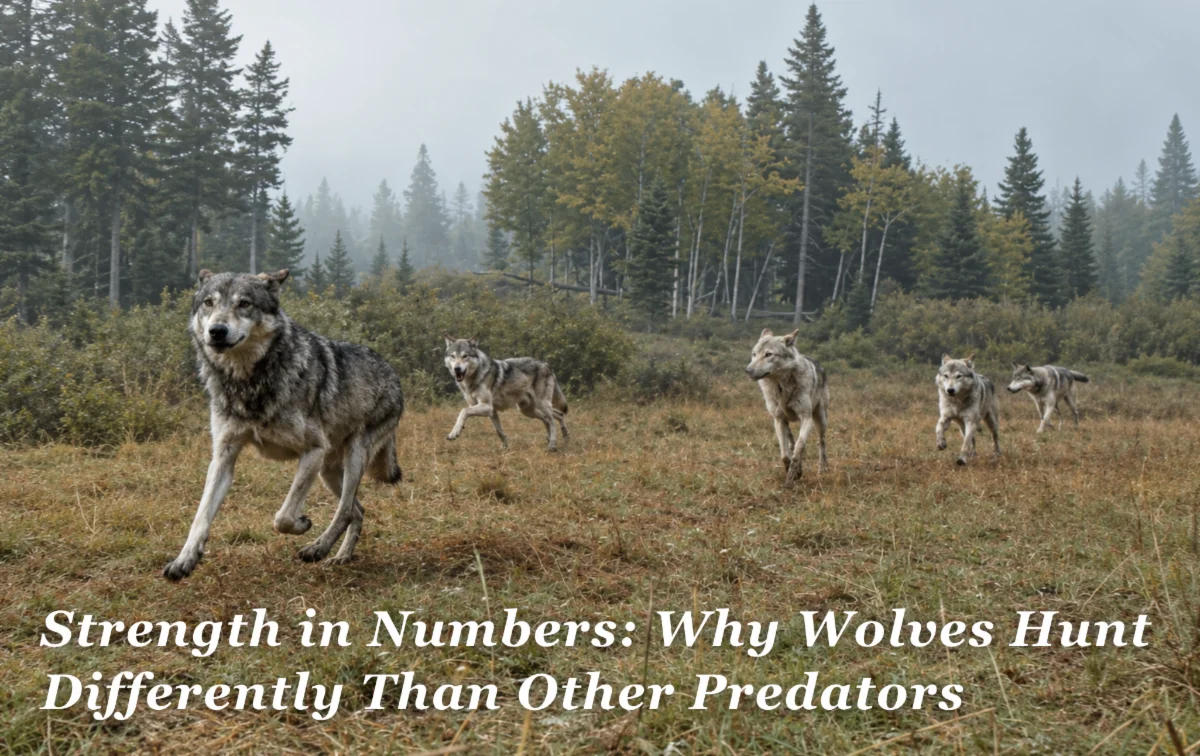
Wolves are remarkably skilled hunters—but they succeed in only a fraction of their attempts. Unlike powerful ambush predators such as bears and mountain lions, wolves rely on something different: cooperation, endurance, and knowledge passed from one generation to the next. Discover how wolf families work together to hunt prey much larger than themselves, why experienced pack members matter, and what these unique hunting strategies can teach us about wolf conservation and management.

Last month, over 600 of people gathered at the historic Lobero Theatre in Santa Barbara for an evening celebrating wolves, coexistence, and conservation.
Living with Wolves co-founders Jim and Jamie Dutcher shared stories from the six years they lived alongside a wolf pack in Idaho—an experience that transformed their lives and inspired the creation of Living with Wolves. Through photography, film, and firsthand observations, they offered audiences a rare glimpse into the lives of wolves and the experiences that shaped our mission.
The sold-out event reflected the continued importance of bringing people together to learn, ask questions, and see wolves from a new perspective.
Thank you to everyone who joined us, and especially to our chief sponsor, Earl Minnis, and the Santa Barbara Museum of Natural History for their generous support in bringing this important conversation to the community. We look forward to continuing to share the story of wolves with audiences across the country.
From the Dutcher Archives
Celebrating the Legacy of the Sawtooth Pack
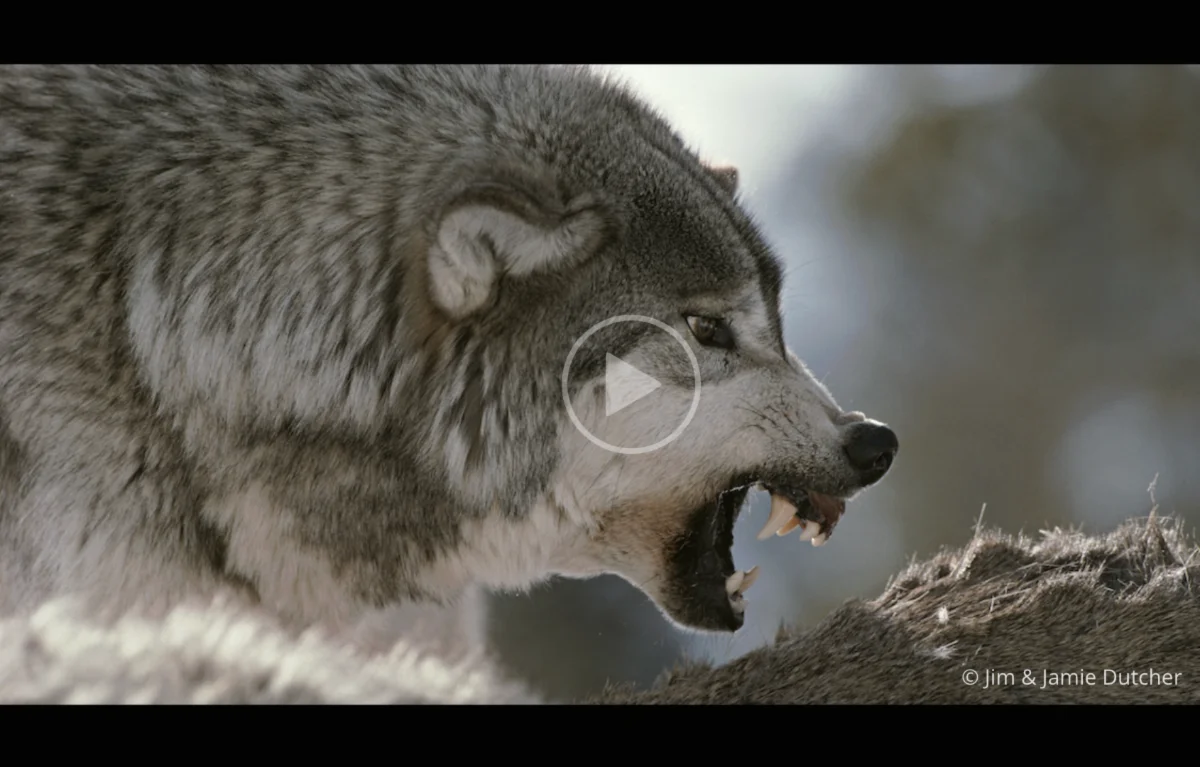
For centuries, wolves have been misunderstood. This video clip, excerpted from the Emmy award-winning documentary Wolf: Return of a Legend, explores how normal wolf behavior became distorted into myths of fear and danger, shaping public attitudes for generations. From Little Red Riding Hood to government-sponsored extermination campaigns, the film traces how misconceptions about wolves helped drive the species to the brink of extinction, reminding us why education remains one of the most powerful tools in conservation.
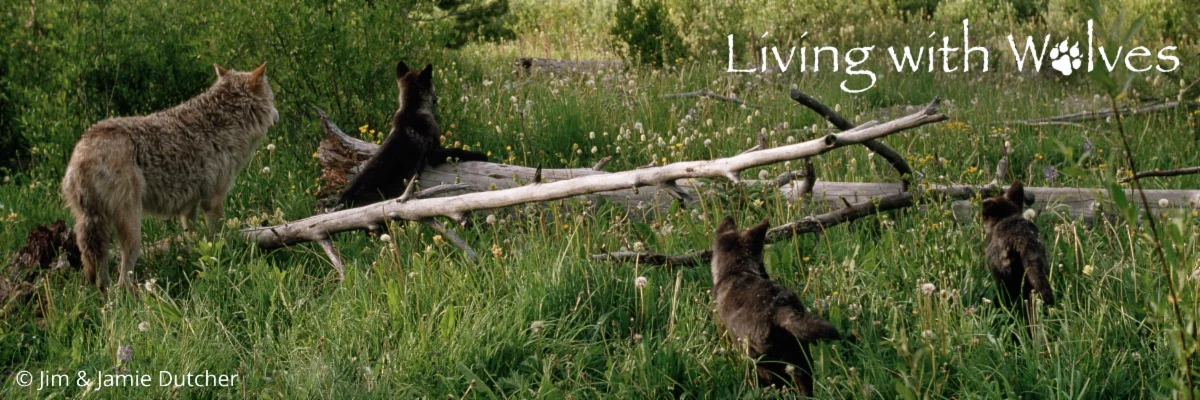
Our Mission: Living with Wolves is a non-profit organization dedicated to engaging the public worldwide in education, outreach and research to promote truth and understanding about wolves, while encouraging coexistence and inspiring people to take action to protect them.