

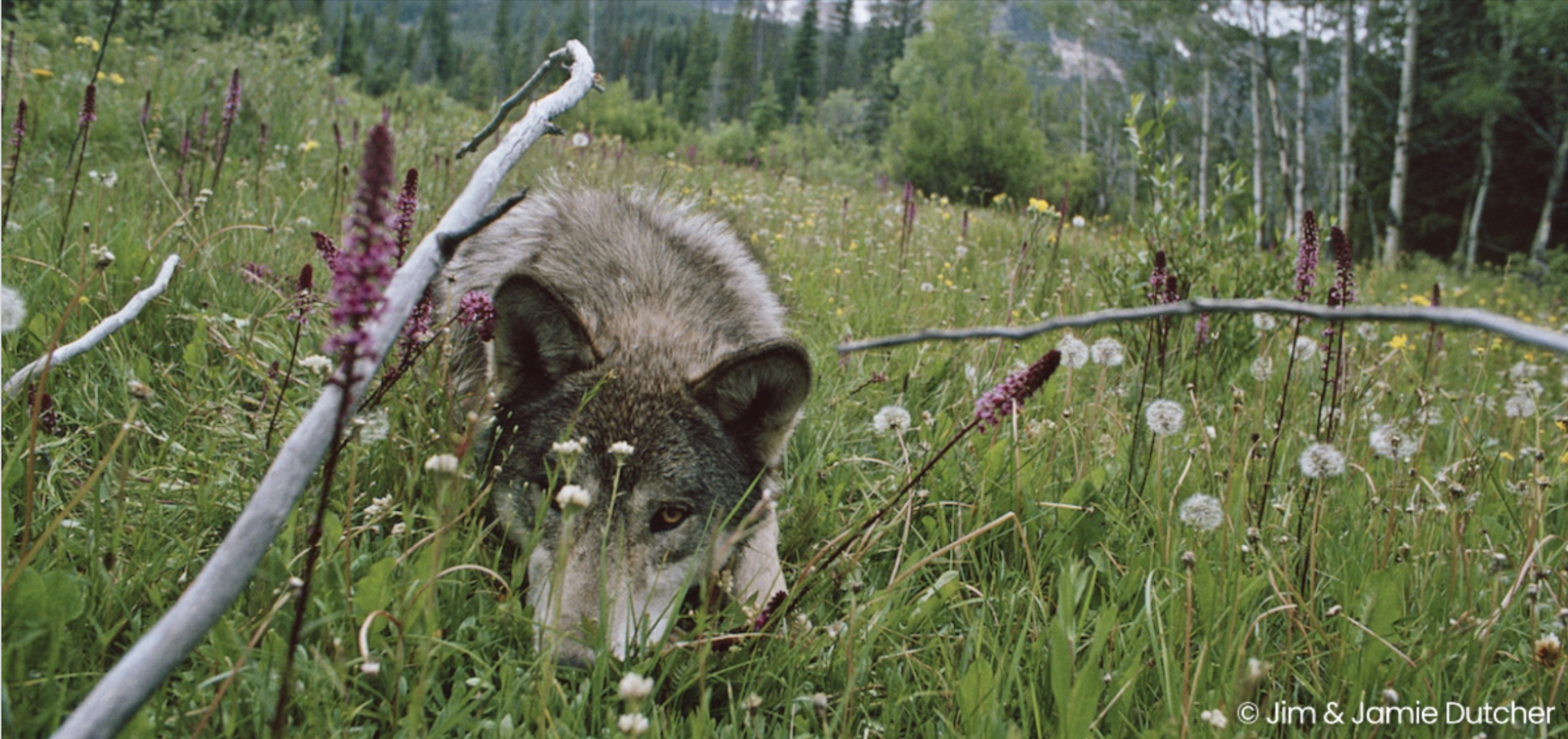
M-44 "Cyanide Bombs" Return to Public Lands and What It Means for Wolves
After a brief federal prohibition, M-44 sodium cyanide devices, commonly known as “cyanide bombs,” have once again been authorized for use across public lands throughout the American West. The decision reverses a 2023 prohibition that had been widely welcomed by conservation organizations, wildlife scientists, and public safety advocates.
Originally developed more than fifty years ago for predator control, M-44s are spring-loaded devices that eject sodium cyanide into the face of any animal that pulls on the baited lure. While intended primarily for coyotes and other canids, they cannot distinguish between target and non-target animals.
Between 2020 and 2024 alone, more than 1,800 non-target animals were reportedly killed by M-44s, and accidental encounters involving pets and people have fueled decades of controversy. One such incident involving a 14-year-old boy and his dog helped bring national attention to the continued use of these devices on public lands.
Despite decades of documented accidents, repeated lawsuits, multiple state bans, and overwhelming public opposition, M-44s remain part of the federal government’s predator management arsenal. In 2026, the Trump administration reversed the Bureau of Land Management’s prohibition without a public comment period, once again allowing M-44s to be deployed across millions of acres of public land.
Living with Wolves advocates for prevention over indiscriminate lethal control and has joined other conservation organizations in calling for a permanent ban on M-44 cyanide bombs. Read our latest blog to learn more about the history of these controversial devices, the events that changed the national conversation, and what their return to public lands could mean for wolves, wildlife, pets, and people.

Join Emmy Award-winning filmmakers and Living with Wolves founders Jim and Jamie Dutcher at The Lobero Theatre in Santa Barbara, California for a captivating multimedia presentation that reveals the complex social lives, family bonds, and intelligence of one of North America’s most misunderstood animals.
For six years, the Dutchers lived in a tented camp alongside a wolf pack in the mountains of Idaho, earning the trust of these remarkable animals and documenting behaviors rarely witnessed by humans. Their groundbreaking work has helped transform public understanding of wolves and contributed to the ongoing conversation about conservation and coexistence.
The evening will be followed by a book signing of the Dutchers’ bestselling National Geographic titles. Don’t miss this unforgettable opportunity to hear firsthand stories from the field and discover the extraordinary lives of wolves!
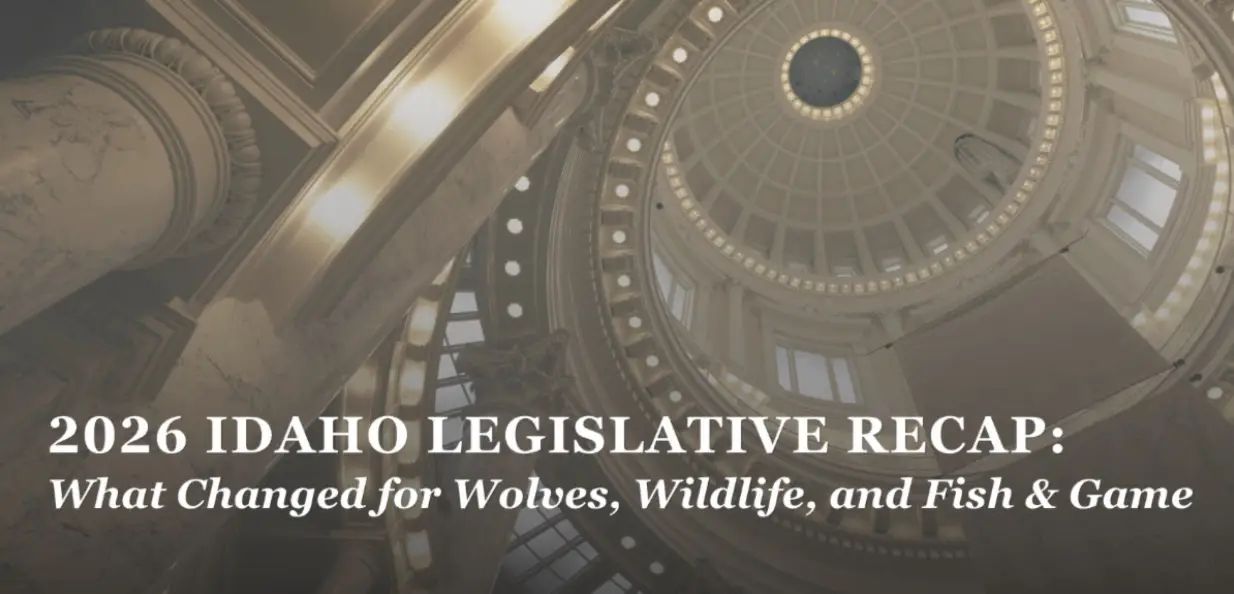
Idaho’s 2026 legislative session marked a turning point for wildlife management. Lawmakers passed a series of new laws that expand flexibility for wolf hunting and trapping, exempt predators from certain fair chase hunting restrictions, shift more wildlife authority into state law, change how the Idaho Department of Fish and Game is governed, and limit tools available to conservation officers. Supporters say the changes strengthen oversight and protect property rights, while critics warn they further politicize wildlife management and weaken science-based decision making. Explore what changed, why it matters, and what these new laws could mean for wolves and wildlife conservation in the years ahead.

From the Dutcher Archives
Celebrating the Legacy of the Sawtooth Pack
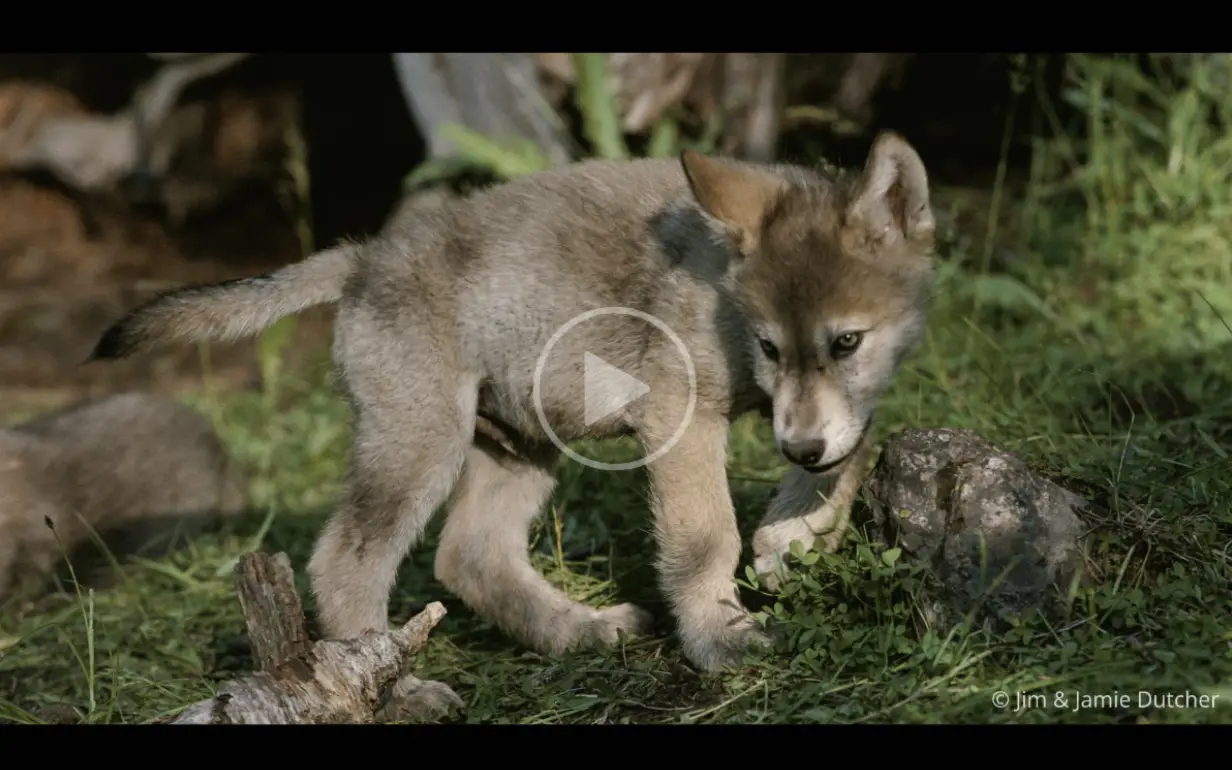
As the Sawtooth wolf pups near seven weeks of age, their unique personalities begin to shine. Although they may look like playful puppies, this stage reveals the wild instincts that define wolves. Through exploration, play, and early lessons in pack hierarchy, the pups begin learning the social skills that will shape their roles within the pack. Watch as these remarkable young wolves take their first steps toward becoming integral members of the Sawtooth Pack.
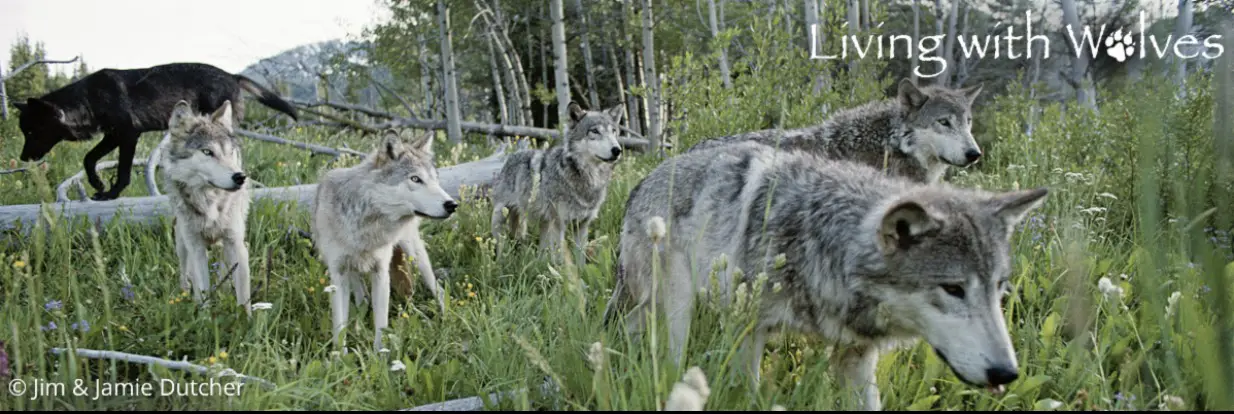
Our Mission: Living with Wolves is a non-profit organization dedicated to engaging the public worldwide in education, outreach and research to promote truth and understanding about wolves, while encouraging coexistence and inspiring people to take action to protect them.